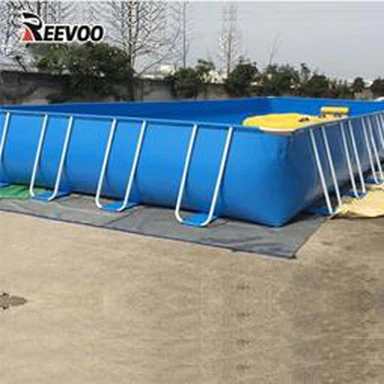


Agriculture PVC Tank
The salmon spend about one to five years (depending on the species) in the open ocean, where they gradually become sexually mature. The adult salmon then return primarily to their natal streams to spawn. Atlantic salmon spend between one and four years at sea. When a fish returns after just one...
- Fast Delievery
- Quality Assurance
- 24/7 Customer Service
Product Introduction
Hokkaido Fishing Ground. The Hokkaido Fishing Ground is located in the southeastern waters of Hokkaido, Japan, formed by the convergence of the Japanese Warm Current and the Kuril Cold Current. The Japanese Warm Current, also known as the Kuroshio, originates in the waters off Luzon Island in the Philippines and is continuously northward due to trade winds and Earth's deflection forces, reaching the eastern part of the Japanese archipelago. The Kuril Cold Current, also known as the pro tide, originates from the Bering Sea, goes south along the Kamchatka Peninsula and the Kuril Islands, and intersects with the Japanese Warm Current in the Hokkaido sea area, causing the nutrients in the deep sea to float up, leading to the proliferation of plankton, attracting fish from the North Pacific region to gather in the Hokkaido sea area, forming the Hokkaido fishing ground.
The fish in Hokkaido Fishing Ground mainly include salmon, hake, herring, saury and sardine. In addition, there are a wide variety of crabs in Hokkaido fishing grounds, mainly including king crabs, hairy crabs, Dorobo crabs, and so on. Benefiting from the fishery resources of Hokkaido Fishing Ground, Japan's fishery production is very rich and fish food is very diverse. However, due to overfishing, the sardine resources of Hokkaido Fishing Ground have declined.
The salmon spend about one to five years (depending on the species) in the open ocean, where they gradually become sexually mature. The adult salmon then return primarily to their natal streams to spawn. Atlantic salmon spend between one and four years at sea. When a fish returns after just one year's sea feeding, it is called a grilse in Canada, Britain, and Ireland. Grilse may be present at spawning, and go unnoticed by large males, releasing their own sperm on the eggs. Prior to spawning, depending on the species, salmon undergo changes. They may grow a hump, develop canine-like teeth, or develop a kype (a pronounced curvature of the jaws in male salmon). All change from the silvery blue of a fresh-run fish from the sea to a darker colour. Salmon can make amazing journeys, sometimes moving hundreds of miles upstream against strong currents and rapids to reproduce. Chinook and sockeye salmon from central Idaho, for example, travel over 1,400 km (900 mi) and climb nearly 2,100 m (7,000 ft) from the Pacific Ocean as they return to spawn. Condition tends to deteriorate the longer the fish remain in fresh water, and they then deteriorate further after they spawn, when they are known as kelts. In all species of Pacific salmon, the mature individuals die within a few days or weeks of spawning, a trait known as semelparity. Between 2 and 4% of Atlantic salmon kelts survive to spawn again, all females. However, even in those species of salmon that may survive to spawn more than once (iteroparity), postspawning mortality is quite high (perhaps as high as 40 to 50%).



Our PVC tarpaulin material:

Our advantage:


Any interested pls kindly contact us:
reevoo@reevoo.net.cn
Hot Tags: agriculture pvc tank, China agriculture pvc tank manufacturers, suppliers, factory