


Best Tarps To Protect Plants in the Winter
May 20, 2023
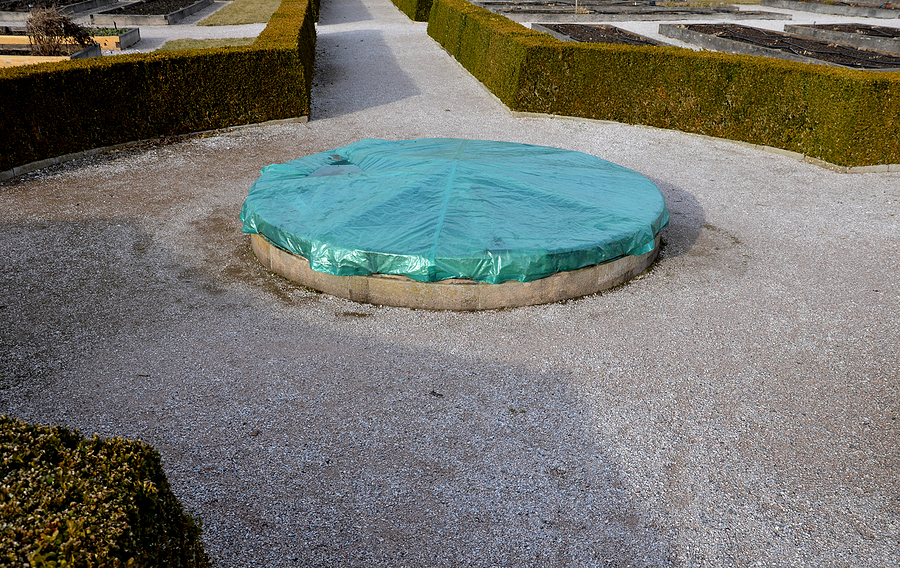
Winter weather extremes are unpredictable, but your plants shouldn't bear the brunt of snow, ice, freezing temperatures, high winds or heavy rain. It is clear that the winter of 2023 will be unusual in many regions. From a bomb cyclone in California to Vermont's lack of snow and weeks of spring-like temperatures, the changes are stressing plants.
For all the money and effort you put into weeding, pruning, and shaping your trees, shrubs, shrubs, and flower beds, you should spend an equal amount of time protecting them. Tarps must be an important part of your plan to protect plants from winter weather. Explore the different tarps that can be used to protect plants and gardens.
Untreated canvas tarps
Do you wrap your shrubs and shrubs in burlap? Switch to untreated canvas for more protection. Canvas tarps do get wet and slowly deteriorate over time, and there are treated canvas tarps out there that may be more appealing to you. Avoid using treated canvas in your garden, as wax and oil coatings are not good for plants. Instead, use untreated canvas until winter is over. At that point, remove the tarp, place it in the washing machine, and let it dry completely.
Not only can you get untreated canvas tarps in sizes up to 40 x 40', but the tarps come in dozens of colors. You can add a pop of color to your yard during the drab winter months.
Blue Poly Tarp
Blue polyethylene tarps are stronger and more durable than untreated canvas. Wrap the shrub with a blue polyethylene tarp to protect smaller branches from snow and ice. Spread the tarp over the shrub and secure the ends with string around the base of the shrub.
While blue poly tarps are not waterproof, that's what you want. Allowing some air to circulate around the shrub is good for its health. When spring arrives, remove the tarp once the buds start to form.
Buy blue poly tarps up to 100 x 100', which can be helpful if you're protecting a long row of shrubs.
Transparent PVC tarpaulin
Do you have spring-blooming vegetables and fruits like garlic, asparagus, and rhubarb in your beds? Consider covering these beds with clear PVC tarps to help them get the sunlight they need to grow. You can lay down the cement block, spread a tarp on top of the cement block, and then use more tarp to compact it down. This raises the height of the tarp a few inches to create a greenhouse-like environment for them to grow as the snow (if any) melts in late winter.
PVC tarps also help protect spring flowers such as crocuses, tulips, and daffodils from heavy snowfall. Areas such as Buffalo, New York, receive about 8.5 feet of snow in November and December. Harnessing the power of the sun to melt snow in spring will help the garden and plants come back to life.
In deep winter, you can also use PVC tarps to create a greenhouse environment for your seedlings. When heavy snow delays the start of the spring gardening season, a greenhouse allows you to quickly start growing your favorite vegetables.
If you need more length, purchase clear PVC tarps up to 10 x 12' or 8 x 20'. Custom sizes are also available.
Vinyl coated polyester tarpaulin
Vinyl-coated polyester tarps are great for reducing wind damage to fragile shrubs. The tarp is designed to resist wind damage and is UV treated to help the tarp resist the harsh UV rays from the sun. Vinyl also keeps the area around the bush a little warmer, which helps protect the tree from the harsh cold.
Spread the tarp over the bushes and secure the edges of the tarp to the bottom of the bushes with string. With grommets placed every 48 inches, it is easy to thread the rope through the grommets and then tighten up once the tarp is in place.
With strong winds, tornado warnings, and large hail expected in early January in the Mississippi Valley, Tennessee Valley, and Gulf Coast, it's important to protect shrubs and scrub from ice and wind damage.
If you are protecting a long, narrow garden, purchase vinyl coated polyethylene tarps up to 10 x 20' or smaller in width (slide and slide tarps) 10 x 100'.
Silver UVR Poly Tarp
Silver UVR Poly Tarps are mildew and water resistant, plus they are protected from harmful UV rays. If you have garden beds, put a silver UVR poly tarp over them in winter. It keeps seeds away from weeds and trees, and also helps keep debris like pine needles, broken twigs and twigs from entering your garden and needing to be cleaned up when spring arrives.
Once the tarp is in place, when the snow melts, you can pull off the tarp, rinse it, let it dry, and fold it up until you need it again. Your garden is protected and ready to plant all winter. The tarp also helps warm the ground below, so you'll find the soil thaws faster and can turn over as you add fertilizer or additives to improve soil quality.
How to Protect Your Garden with a Tarp
If it's too late to cover your garden with a tarp due to snowfall, what can you do at this late stage? Consider building a quick lean-to structure and draping it over the garden. You can secure the bottom of the tarp with cement blocks and bungee cord or the rope that secures the grommets to the bricks.
Air will still be able to get through, but it will protect your garden from too much snow and ice. Plus, it helps prevent twigs and twigs from falling in your garden and damaging plants when it's windy outside.
Shrubs and shrubs are easy to care for. Dig out the base of the shrub or shrub and use a canvas or vinyl tarp to protect the shrub or shrub through the winter. This is especially useful if you've had more rain than snow and need to stop more damage from freezing and snapping branches.
Can you help choose the best tarp for your plants and garden REEVOO INDUSTRIAL FABRIC CO. , LTD. has a live chat feature to help you make the best decision based on your needs and budget


