

The Future of Fish Farming May Be Indoors
Oct 14, 2023
As the world's population continues to grow, the demand for fish as a primary source of protein is also increasing. However, traditional methods of fish farming in open seas and lakes have proven to be unsustainable and harmful to the environment. This is where indoor fish farming comes in as a potential solution to the problem.
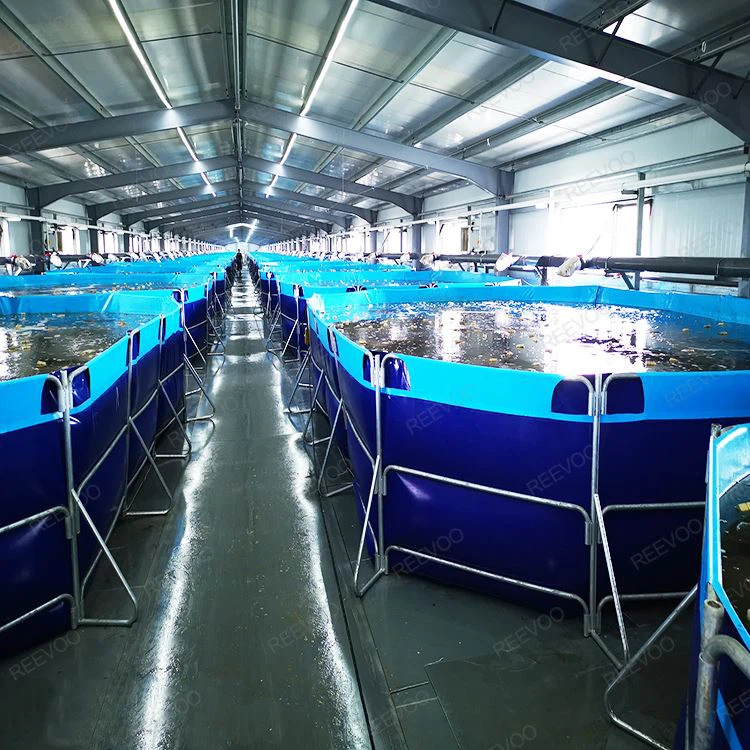
Indoor fish farming, also known as aquaculture, involves the farming of fish in controlled environments like tanks, ponds, or recirculating systems. This method of fish farming offers several advantages over traditional methods, including reduced water usage, enhanced biosecurity, and improved fish growth rates.
Another advantage of indoor fish farming is that it allows farmers to produce fish year-round, regardless of weather conditions or location. This means that even regions with cold winters or areas far from the coast can now participate in fish farming, reducing the need for long transportation routes and thus decreasing costs.
Moreover, indoor fish farming provides an opportunity to grow fish in a sustainable and responsible manner. By keeping fish confined indoors, farmers can better control the environment and monitor the health of the fish. Additionally, this method makes it easier to prevent water pollution from fish waste and excess feed, which is a significant concern with traditional fish farming.
Overall, indoor fish farming presents a promising future for the aquaculture industry. With its many advantages, this method has the potential to revolutionize fish farming while addressing many of the challenges that come with traditional methods. As such, we must continue to explore and invest in this alternative method of fish farming to ensure a sustainable and secure future for both our planet and our growing population.