


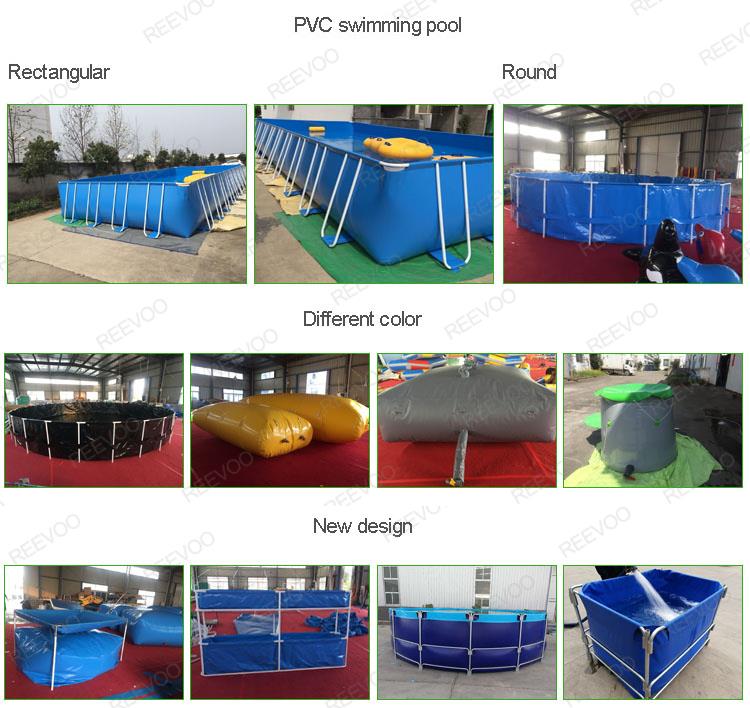
Tarpaulin Fish Tank
According to the British Nutrition Foundation, trout contain one of the lowest amounts of dioxins (a type of environmental contaminant) of all oily fishes. 1 fillet of trout (79 g) contains:[5] Energy : 490 kJ (117 kcal) Fat (g): 5.22 Carbohydrates (g): 0 Fibers (g): 0 Protein (g): 16.41...
- Fast Delievery
- Quality Assurance
- 24/7 Customer Service
Product Introduction
In the past 50 years, the world population has increased by 2.1 times and consumption has increased even more; For some products, there is no doubt. From 1968 to 2018 (the latest year in which we have global data), primary energy (referring to natural energy that has not been transformed into another form by humans, such as wind energy, solar energy and other renewable resources and non renewable resources, such as fossil fuels) and steel production increased by 3.4 times, meat by 3.5 times, and food by 2.6 times. The total number of cars on the world's roads has increased by six times, and the number of passenger kilometers generating revenue (an industry indicator) has increased by about 24 times. But the growth in aquaculture production has defeated all these numbers.
Carp have been growing in inland ponds in China since ancient times, and carp have also been found in some parts of Europe since the Middle Ages. Hawaii raises fish in ponds made of lava along the shallow coast; Some countries, especially Japan, also use this method to produce crustaceans, mollusks, and algae. But until half a century ago, these practices were mainly concentrated in East Asia, especially China, where the annual production (including all freshwater, marine animals, and algae) was only about 3.4 million metric tons. This number more than doubled in the 1970s, grew faster in the 1980s and 1990s, and inevitably slowed down thereafter. However, by 2018, the live weight harvest (20% of protein) of global aquaculture was approximately 114 million metric tons, 36 times that of 1968. The proportion of algae is slightly higher than 30 million metric tons, with an increase of approximately 51 million metric tons in freshwater fish and 31 million metric tons in marine aquaculture, bringing the production of finned fish, crustaceans, and mollusks to approximately 82 million metric tons in 2018.
At the same time, the catch of wild fish continued to rise until the late 1980s, ultimately reaching a level of approximately 96 million metric tons per year. This means that approximately 45% of the protein from aquatic species now comes from ponds, lakes, pens, and cages, where these species grow.
World Fisheries Growth
Source: UN Food and Agriculture Organization (FAO)
The share of aquaculture in the total fish consumption increased from round-off error to the majority in a relatively short time.
China's fish farming production accounts for 58% of the global total, and its four traditional and most popular varieties of grass carp, silver carp, common carp, and bighead still dominate global aquaculture, accounting for only about one-third of the total live weight produced. Indonesia's annual production is approximately 7 million metric tons, ranking second. The contribution rate in Asia is 73%, less than 5% in the Americas, and less than 4% in Europe.
In addition to carp, the most common farmed fish include Nile tilapia, catfish, and Atlantic salmon (now found not only in coastal waters of Europe and eastern Canada, but also in the Pacific Northwest of the United States, Chile, and New Zealand). White shrimp and crayfish are the most common farmed crustaceans; Cup shaped oysters, Japanese carpet shells, and scallops are among the best among mollusks.
The main challenge facing the industry outside Asia is consumer preferences for salmon, cod and tuna - all carnivore. Carps that feed on plants can be fed with cheap grain or grain feed, but salmon or tuna cannot grow and mature without taking fish oil and fish protein. Fish oil and fish protein must be prepared by capturing smaller, less valuable sardine, anchovy and mackerel and converting them into fish feed. The gain: feed ratio has decreased to 1:1.2 due to the proportion of Atlantic salmon. The more challenging tuna farming is just beginning, while cod farming is even less developed.
Source: UN Food and Agriculture Organization (FAO)
This industry is not without controversy. Dense ponds and fences can cause environmental problems, especially the release of organic matter, which promotes the reproduction of algae and introduces genetically modified salmon to grow faster and utilize food more effectively. However, the fish farming industry is now a global business with an annual value of over $250 billion, and it will continue to expand, introducing new species to more consumers willing to pay for their favorite fish, crustaceans, and mollusks.



According to the British Nutrition Foundation, trout contain one of the lowest amounts of dioxins (a type of environmental contaminant) of all oily fishes.
1 fillet of trout (79 g) contains:[5]
Energy : 490 kJ (117 kcal)
Fat (g): 5.22
Carbohydrates (g): 0
Fibers (g): 0
Protein (g): 16.41
Cholesterol (mg): 46

Our PVC tarpaulin material:

Our advantage:


Any interested pls kindly contact us:
reevoo@reevoo.net.cn
Hot Tags: tarpaulin fish tank, China tarpaulin fish tank manufacturers, suppliers, factory