

20 Uses for Tarps
Sep 17, 2026

What Is a Tarp Used For?
A tarp is used to protect people, materials and equipment from rain, sun, wind, dust and debris. Its three core jobs are covering, lining and containing - covering roofs, cargo, crops and machinery; lining floors, truck beds and ponds; and containing debris, water or loose material. Which of the 20 uses below fits your job depends above all on two specifications: the material and the weight (GSM) of the tarp you choose.
How to Pick the Right Tarp Before You Read the List
A tarp that is too light for the job tears in the first storm; one that is unnecessarily heavy costs more and is harder to handle. Two specifications decide almost everything.
Material: PE, PVC, and clear mesh
| Material | What it is | Best for | Watch out for |
|---|---|---|---|
| PE (polyethylene) | Woven HDPE fabric, laminated on both sides | General cover, ground cover, cargo, short-to-medium outdoor use | Lighter grades degrade under long UV exposure |
| PVC (polyester-reinforced) | Polyester scrim coated with PVC paste | Long-life covers, truck curtains, awnings, signage, industrial curtains | Heavier and costlier; large panels need high-frequency welding |
| Clear mesh / clear film | PVC mesh or transparent PVC film | Greenhouses, shade without blocking light, wind screens | Not a replacement for a solid waterproof cover |
Not sure which type fits your market? Our guide to types of tarpaulin and how they are classified breaks down material, weave and coating in more detail.
Weight: what GSM means in practice
GSM only means something inside one material family. A 500 GSM PVC tarpaulin and a 250 GSM PE tarpaulin are not comparable products: 250 GSM sits near the top of the PE range, while 500 GSM is mid-range for PVC. Always read the number together with the material.
PE tarpaulins - woven HDPE base with LDPE lamination:
| GSM | Duty level | Typical uses |
|---|---|---|
| 60–120 | Light | Dust covers, trunk lining, short-term protection |
| 120–200 | Medium | Ground cover, painting drops, general weather cover, truck covers |
| 200–250 | Heavy | Roofing, construction, frequent reuse, equipment covers |
| 250–350 | Extra heavy | Long-term outdoor cover, wind-exposed sites, reuse-heavy fleets |
PVC tarpaulins - polyester scrim with PVC coating (a completely different scale):
| GSM | Duty level | Technology | Typical uses |
|---|---|---|---|
| 400–650 | Heavy duty - the standard working range | Laminated, coated | Truck curtains, awnings, side curtains, printed banners, waterproof bags, gym and sports covers, pond liners, pool liners, inflatable fabrics |
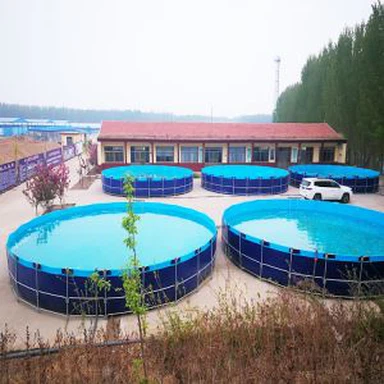
| 800–1500 | Membrane / tensile grade | Coated, knife coated, blockout | Architectural tensile membranes, large-span canopy and roof structures, large ponds over 30m in diameter and large water bladders with a capacity of over 1,000 m³ (CBM) |
Reinforced grades sit between these two bands for heavy side curtains and permanent industrial covers. Water-retaining and inflatable products - pond liners, pool liners, inflatable fabrics - are often specified by sheet thickness (mm or mil) instead of GSM, because the sheet itself is the load-bearing element; if you are buying or quoting in that segment, convert thickness to weight before comparing offers, and ask your supplier which base fabric and weight they recommend for your exposure.
Rule of thumb: choose the lightest tarp that survives the longest exposure it will actually face - then step one grade up for anything that has to hold in wind. And when you compare quotes, compare GSM within the same material, never across materials.
The ranges above are general industry reference points, not fixed product specifications - confirm the exact weight and base fabric on your supplier's spec sheet.

Tarp Uses at Home and Property
1. Painting and decorating drop cloth
Paint spatter is unavoidable - even decorators who have been at it for a decade still drip. A tarp under the work area catches it all, and unlike disposable plastic sheeting it can be folded away and reused for the next room, which pays for itself on a whole-house repaint.
Best tarp: PE 120–160 GSM for water-based paints; a coated tarp if you work with solvents and need to wipe it down repeatedly.
2. Emergency roof cover after a storm
When shingles lift and holes open up, you usually need days - not hours - to get a contractor on site. A tarp fastened over the damaged section keeps water out of the structure in the meantime and prevents a repair from turning into a rebuild.
Best tarp: reinforced PE 200–250 GSM with a hemmed edge and grommets at close spacing; PVC-coated where the cover will stay up for weeks.
3. Window protection during storms
Plywood boards are the traditional answer, but they are heavy, awkward to store and hard on window frames. A tarp holds debris off the glass with far less damage to the frame, and comes down in minutes.
Best tarp: PE 150–200 GSM for debris protection; a clear PVC vinyl side curtain when you want daylight to pass through.
4. Tying down outdoor furniture
Storms rarely arrive on schedule. Grouping furniture against a wall and strapping it under one cover takes a few minutes and prevents the two most common outcomes: water damage and furniture blown across the yard.
Best tarp: UV-stabilised PE 200–250 GSM, sized to overhang the whole group.
5. Protecting AC condensers and outdoor equipment
Outdoor condenser units sit exposed year-round and collect leaves and debris that stress the fan motor. A simple cover - propped on a frame, never draped flat against the unit - blocks debris without restricting airflow.
Best tarp: PE or PVC mesh tarp, or PE 120–160 GSM installed with clearance, so air movement is not obstructed.
Tarp Uses for Outdoor Living, Events and Animals
6. Backyard awning and shade
A shaded patio stays usable through the hottest part of the day. A custom-sized tarp stretched on a frame costs a fraction of a specialist awning and can be replaced panel by panel.
Best tarp: a PVC tarpaulin in the 400–650 GSM heavy-duty range for a permanent structure, or PVC clear mesh where you want shade with airflow rather than a solid roof.
7. Animal kennel and pet shelter
Wrapping a metal frame with tarp panels gives a dog or livestock shelter that is warmer and drier than an open run, at a fraction of the cost of a timber house. Make sure the structure is ventilated and that any heat source is placed so it cannot be knocked over.
Best tarp: PVC-coated in the 400–650 GSM heavy-duty range for wind and rain resistance; if you need a flame-retardant grade, ask your supplier for the test documentation before you buy.
8. Ground cover for events, yards and market stalls
Under a marquee, a market stall or a yard sale, a ground sheet creates a dry, clean surface that people can walk on and goods can be set down on, and it lifts clear of the mud afterwards.
Best tarp: PE 120–200 GSM with hem and grommets; light colours stay cooler underfoot in direct sun.
Tarp Uses in Construction and Workshops
9. Roof sheeting during construction
Rain does not just stop work - it can undo finished work and flood the structure below. Covering an open roof between stages is one of the highest-value uses of a tarp on any site.
Best tarp: a reinforced heavy-duty PE tarpaulin at 200–250 GSM, or PVC-coated for multi-month exposure and repeated refastening.
10. Workshop floor and debris collection
Woodworking, tiling and painting all produce debris that is far easier to remove on a sheet than from a concrete floor. Lay the tarp, work on it, then drag the corners together and tip the contents straight into the bin.
Best tarp: PE 160–250 GSM - heavy enough to stay flat, light enough to lift and shake out.
11. Moving heavy items on a slide sheet
Furniture, machinery and palletised goods slide far more easily on a low-friction sheet than on a floor, which lets one person move what would otherwise take two. This is a handling aid, not a lifting device - always stay within safe manual-handling limits.
Best tarp: smooth PE 200 GSM or above, or a PVC sheet where the load has sharp edges.
Tarp Uses in Agriculture and Water Management
12. Greenhouse and crop cover
A tarp greenhouse is dramatically cheaper than a glass one, and mesh or clear panels let light and some water through while still buffering wind and frost.
Best tarp: UV-stabilised clear film or clear mesh; these need careful fixing, because a loose panel will flap and tear in the first strong wind.
13. Rainwater collection
A tarp funnel or lined pit collects roof and surface runoff for irrigation, which cuts water bills on a larger garden or smallholding. Note: standard PE and PVC tarps are not made for potable water - use a tarp rated for drinking water if the collection is intended for human consumption.
Best tarp: clean PE 200 GSM or above, dedicated to this purpose so it is never contaminated by other jobs.
Tarp Uses in Transport, Storage and Logistics
14. RV, boat and vehicle covers
A vehicle parked outdoors is constantly exposed to UV, which dulls paint and degrades vinyl and gelcoat long before the vehicle is used again. A fitted cover is far cheaper than repainting or re-upholstering.
Best tarp: UV-resistant PVC 400–650 GSM or extra-heavy PE 250–350 GSM; on boats, allow ventilation so condensation does not turn into mould.
15. Truck bed and trunk lining
Lining a load space protects the original lining from dust, oil, spills and scratches, and turns cleanup into a thirty-second job when a container leaks in transit.
Best tarp: PE 60–120 GSM - light, cheap and easy to replace.
Tarp Uses for Camping and Emergency Shelter
16. Emergency shelter and hammock tarp
A hammock-style tarp with multiple tie-out points can be pitched into a shelter in about three minutes, with or without trees. It is not the most comfortable bed you will ever have, but it beats being soaked and cold.
Best tarp: PE 200 GSM+ with reinforced tie-outs; keep one folded in your pack as standard kit.
17. Tent floor and groundsheet
A footprint under the tent keeps you off damp ground and protects the tent's own floor from abrasion - the usual reason a good tent starts leaking after a few seasons.
Best tarp: heavy PE or polyester 200–250 GSM cut slightly smaller than the tent floor so it does not collect rainwater. Bungee balls make fast, secure attachment points.
18. Improvised sleeping bag
An insulated or reflective tarp folded and pinned into a bag will get you through a cold night when a sleeping bag is missing, wet or torn. It is a backup, not a comfort upgrade - expect limited hood and pillow support.
Best tarp: insulated/reflective tarp, which is stiffer and bulkier than a normal camping tarp by design.
19. Hoisting food at a campsite
Hanging food high and away from the tent keeps wildlife out of your supplies. Wrapping everything in the centre of a tarp, gathering the corners and hauling the bundle over a branch is a quick, weatherproof method.
Best tarp: medium-weight PE; the bundle needs a strong, small footprint rather than a large cover.
Tarp Uses in Commercial and Industrial Settings
20. Custom-printed signage and branding
Tarps are not only for covering things. Printed PVC banner material makes durable signage for car washes, festivals, forecourts and trade stands - it resists weather far better than paper or board, and a printed tarp can be reused season after season.
Best tarp: printable PVC flex banner in the 400–650 GSM heavy-duty range; brand printing turns a functional cover into a mobile advertising surface.
Choosing Between PE and PVC
If you are buying for resale or for a specific application, the choice usually comes down to budget versus service life. PE tarpaulins win on price per square metre and light weight; PVC-coated tarpaulins win on lifespan, weldability and appearance, which is why truck curtains, awnings and printed banners are almost always PVC. Our guide to PVC tarpaulin covers the difference in more detail, and if you want the short version, send us the application and we will recommend one.
Frequently Asked Questions
What is the most common use of a tarp?
Covering - roofs, cargo, crops, equipment and vehicles. In practice, most tarps are bought to keep water off something that cannot be moved indoors.
What GSM tarpaulin do I need?
It depends on the material, because the two scales are different. For PE: 70–120 GSM for dust covers and storage, 120–200 GSM for ground sheets and general weather cover, 200–250 GSM for construction and roofing, and 250–350 GSM for extra-heavy long-term outdoor use. For PVC: 400–650 GSM is the standard heavy-duty working range (truck curtains, awnings, printed banners, waterproof bags, gym covers, pond and pool liners, inflatable fabrics), and 800–1500 GSM is membrane / tensile grade for architectural structures. Compare GSM only within the same material - a 500 GSM PVC tarp is not a heavier version of a 250 GSM PE tarp.
Should I choose a PE or a PVC tarpaulin?
Choose PE when the budget matters more than longevity or weight: PE is cheaper, lighter and easier to handle. Choose PVC when the tarp will be reused for years, welded into a large panel, printed with a logo, or used where appearance matters.
Can tarps be printed with my company logo?
Yes. PVC flex banner is the usual substrate for printed signage, and coating suppliers can also print onto PE tarps. The main variables are minimum order quantity and the number of colours in your artwork - send us your artwork and required size and we will confirm both.
Are tarps recyclable?
PE and PVC are both thermoplastics, so clean, single-material tarps can be reprocessed in principle. Whether a specific tarp can be recycled locally depends on the facilities available in your area, because mixed-material or heavily contaminated tarps are usually not accepted.
Need the Right Tarp for the Job?
Tell us the application, the size and how long the cover needs to last, and we will recommend a material, a GSM range and a construction - not just quote a price. Whether you need a full container of PE tarpaulins, a bespoke PVC cover, or a printed banner run in smaller quantities, get in touch and we will reply with a written specification.
Related reading: Applications of PVC tarpaulins · the application of the PE tarpaulin · buying in volume? See our guide to poly tarp suppliers in China.