

Metal Frame Pool For Fish Farming
Trout have fins entirely without spines, and all of them have a small adipose fin along the back, near the tail. The pelvic fins sit well back on the body, on each side of the anus. The swim bladder is connected to the esophagus, allowing for gulping or rapid expulsion of air, a condition known...
- Fast Delievery
- Quality Assurance
- 24/7 Customer Service
Product Introduction
Many catfish species with aquaculture potential can be found in South America. Most are tropical plants, many of which grow rapidly and are suitable for artificial reproduction.
Genus Pseudoplatystoma, this catfish, has been widely commercialized and ongoing research is helping the industry develop rapidly. This species is also important in several other countries, especially Brazil.
These fish usually grow to 1.5 to 2 kilograms within 12 months. Hybridization is relatively easy because artificial egg laying methods have been well documented and are easy to implement. This type of fish is more expensive to raise than most catfish because their food protein requirements are relatively high.
This catfish is mostly raised in ponds, but these fish can adapt to growth conditions in runways and cages, as well as in circular breeding ponds.
Rhamdia Quelen, this catfish has always been a key research and development species in Argentina, Uruguay, and southern Brazil. This species prefers plant protein in its food. It can adapt to various temperatures, but works best in mild subtropical regions.
The future of catfish farming?
Like carp, catfish is also a diverse group of species, many of which are suitable for farming. And, as with tilapia and many other species, as commercial feed becomes more widespread in Africa and South America, we can expect to see more and more catfish aquaculture in these regions.
Will global catfish farming yield remain ahead of tilapia? Will they ultimately compete with carp for global dominance? Let's wait and see!
Trout have fins entirely without spines, and all of them have a small adipose fin along the back, near the tail. The pelvic fins sit well back on the body, on each side of the anus. The swim bladder is connected to the esophagus, allowing for gulping or rapid expulsion of air, a condition known as physostome. Unlike many other physostome fish, trout do not use their bladder as an auxiliary device for oxygen uptake, relying solely on their gills.
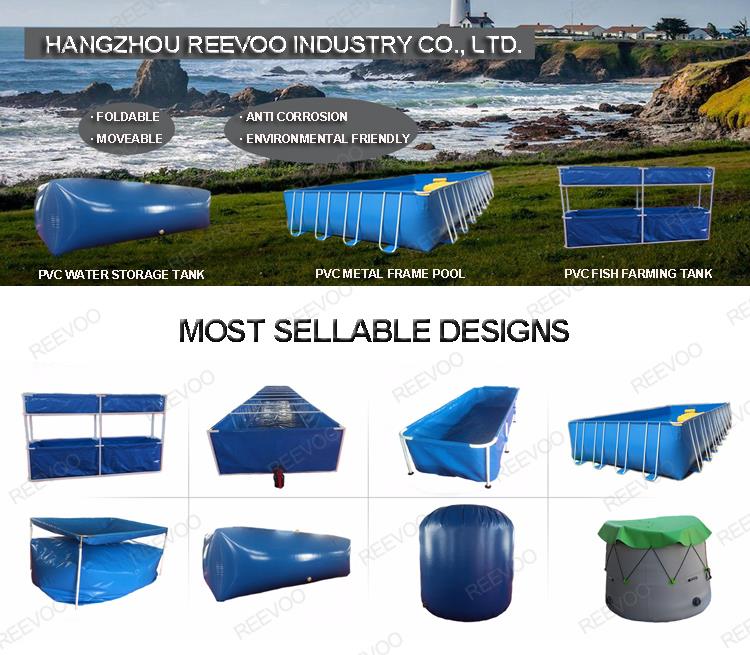


Our PVC tarpaulin material:

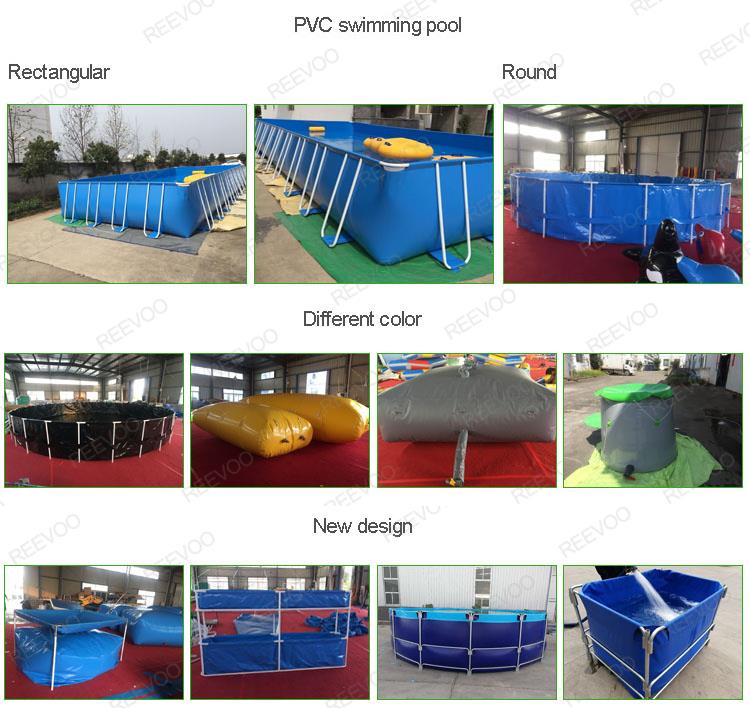
Our advantage:


Any interested pls kindly contact us:
reevoo@reevoo.net.cn
Hot Tags: metal frame pool for fish farming, China metal frame pool for fish farming manufacturers, suppliers, factory