


PVC Modified
Jun 02, 2018
As mentioned above, PVC is white powder, amorphous structure of glass transition temperature of 77 ~ 90 ℃, 170 ℃ or so began to decompose, above 100 ℃ or the sun for a long time, will decompose and produce hydrogen chloride, and further automatic catalytic decomposition, cause discoloration, physical and mechanical properties also fell rapidly, in the practical application of stabilizer and other additives must be added in order to improve the stability of heat and light. This is called PVC modification. PVC products, both injection molding and extrusion, especially PVC material products have special requirements, strictly speaking, the properties of PVC materials should belong to the Customer - designed, especially designed to meet the requirements of each user, provide solution for PVC, which have different formula for modification.
The development of PVC modification
In 1933, W.L. Simon proposed to use high boiling point solvent and trimethylphenol phosphate to heat and mix with PVC, which could be processed into soft polyvinyl chloride products, which made a real breakthrough in the practical use of PVC. In 1936, the suspension polymerization of vinyl chloride and the processing and application of PVC were developed. In order to simplify the production process and reduce the energy consumption, in 1956, saint-gobain developed the bulk polymerization method. Has the special requirements of PVC material, generally need to be imported from abroad, with China's major scientific research institutes and production unit of continuous research and development and technology accumulation, PVC modified formula design, the manufacture of the han yong plastic new materials has reached the international advanced level, has been completely replace the imported materials, there are a number of products have been exported abroad. Because PVC will add stabilizers in production, but stabilizers are non-toxic and toxic, only when toxic stabilizers such as lead salt are added, there will be hidden dangers. But PVC products are mixed, and some small enterprises use lead salt as stabilizer, which is difficult to meet the relevant hygienic standards.
Lead is banned from PVC materials
It is a commonplace topic to ban lead in PVC products. Because lead salts are harm to human health of heavy metals, starting in the 1980 s, Europe and the United States, and other developed countries began to ban the use of lead salt request, and have issued regulations banning lead. Entering the 21st century, China's plastics industry ban lead voice increasingly high. The ministry of construction announced in 2004 that lead salt thermal stabilizers were banned in PVC pipes for water supply throughout the country. In 2006, the measures on pollution control of electronic information products issued by China also set limits and prohibitions on heavy metals such as lead, cadmium and barium in electronic information products. Relevant industry organizations are also actively promoting lead prohibition.
You Might Also Like
-

12mil car safety film school hospital commercial glass pr...
-

PVC Transparent Mesh Tarpaulin Clear Plastic Film
-
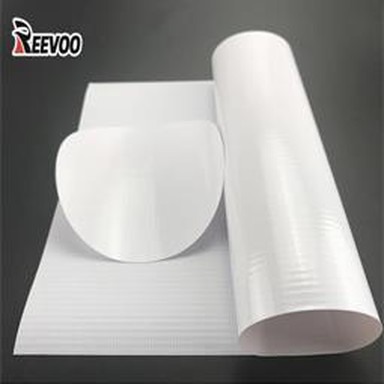
PVC solvent UV printing Backlit film material Banner Fabric
-

Silver PVC awning Sunshade Roof Material Tarpaulin Contai...
-

PVC Coated Tarpaulin waterproof fabric-PVC Tarpaulin supp...
-

ROHS And REACH Certificate Inflatable Boat Material