


Pvc Tarpaulin Fish Pond
Trout generally feed on other fish, and soft bodied aquatic invertebrates, such as flies, mayflies, caddisflies, stoneflies, mollusks and dragonflies. In lakes, various species of zooplankton often form a large part of the diet. In general, trout longer than about 300 millimetres (12 in) prey...
- Fast Delievery
- Quality Assurance
- 24/7 Customer Service
Product Introduction
Although fish farmers' aquaculture production is three times that of twenty years ago, the impact of aquaculture on the environment is even smaller. Professor Simon Bush and colleagues from various countries conducted an aquaculture survey in the journal Nature, which showed that over the past two decades, the impact of fish farming on the environment has significantly decreased globally.
Original text: A Sikkema, compiled by Lin Hanzhe
Checked by: N.F
Twenty years ago, Nature magazine published a survey article on aquaculture, revealing that the cultivation of salmon, shrimp, tilapia, mussels, and catfish can have adverse effects on the environment. At that time, the aquaculture industry still used other fish (made into fish meal) to feed fish, and its excessive use of nutrients and drugs polluted water resources
Significant improvement in the utilization efficiency of fish feed
Bush, a professor of environmental policy at the University of Wah, told us that this situation has greatly improved in the past two decades. Although fish production has tripled compared to before, the use of fish meal and fish oil in the industry has decreased. The utilization efficiency of fish feed in the aquatic industry has significantly improved. Currently, it mainly utilizes waste liquid from the food industry and has developed fish feed using plants as raw materials. A research report published on March 25th in the journal Nature shows that two decades ago, the aquaculture industry was a relatively independent system, but now it is more integrated with other food systems.
Today, global aquaculture produces 112 million tons of fish. This includes aquaculture ponds in the ocean (such as salmon) and coastal (such as mussels and shrimp), but there is also an increasing number of freshwater aquaculture for catfish and tilapia. The cultivation of aquatic plant such as seaweeds is also considered as aquaculture, with an output of about 32 million tons. About 92% of artificially farmed fish are produced in Asia, with over half of them coming from China. Most of these fish are only traded in the local market and will not be exported to overseas markets.
authentication
Researchers point out that although most Asian farmers have not obtained any sustainability quality certification from Western or non-governmental organizations, the environmental impact of farming there is also decreasing. This is not only due to local regulations and industry guidelines, but also due to the rise in fish meal prices. Nevertheless, researchers suggest that there is still significant room for improvement in the fish farming industry in the region. In China, one-third of the catch in the fishing sector is still used as feed for the aquaculture industry.
Emerging fish farming countries include India, Bangladesh, Thailand, and Vietnam, while aquaculture is also developing in Africa and Latin America. Researchers believe that the government should carefully consider the locations where farmers are allowed to engage in aquaculture. Fish farming can also serve ecosystems, for example, carp can maintain the water quality and biodiversity required for reservoirs and lakes.
Trout generally feed on other fish, and soft bodied aquatic invertebrates, such as flies, mayflies, caddisflies, stoneflies, mollusks and dragonflies. In lakes, various species of zooplankton often form a large part of the diet. In general, trout longer than about 300 millimetres (12 in) prey almost exclusively on fish, where they are available. Adult trout will devour smaller fish up to 1/3 their length. Trout may feed on shrimp, mealworms, bloodworms, insects, small animal parts, and eel.
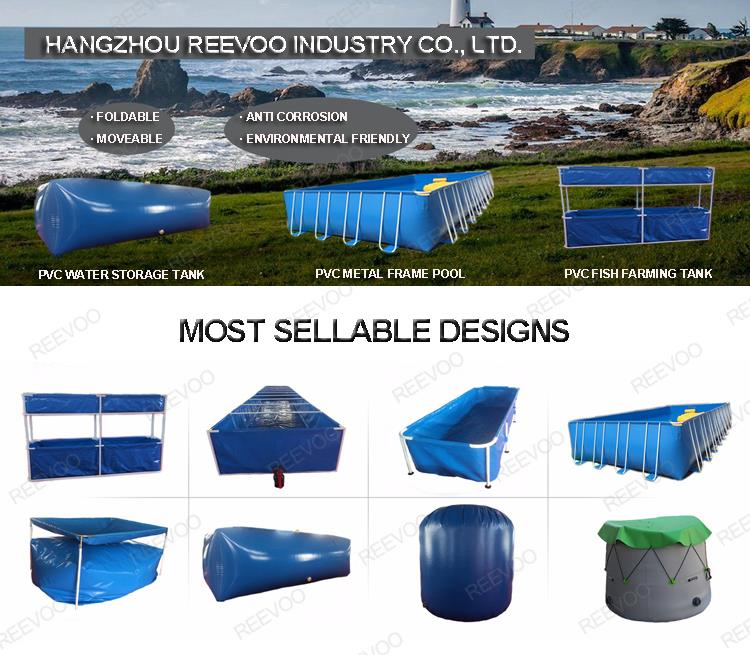


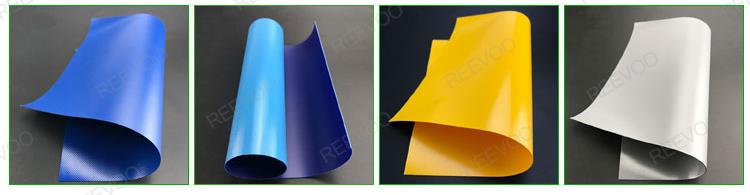
Our PVC tarpaulin material:
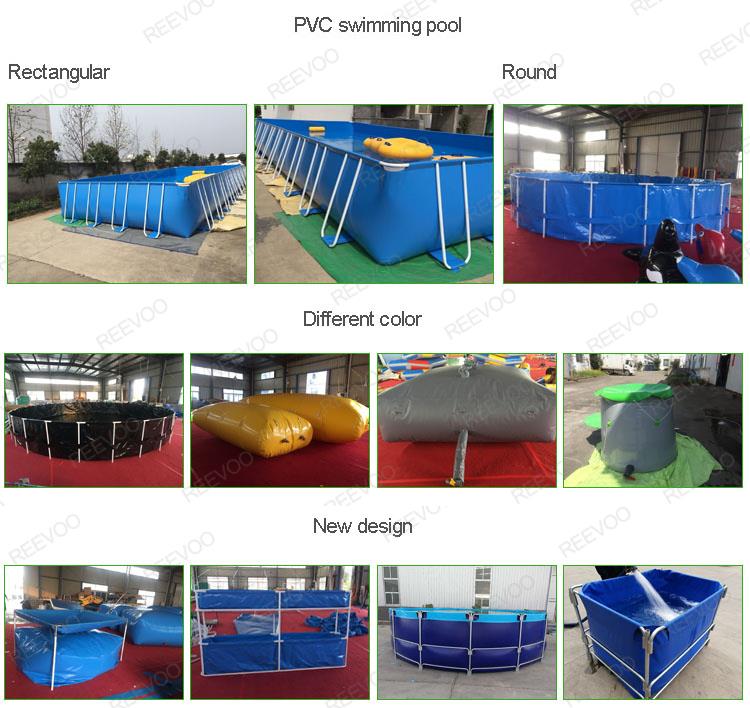
Our advantage:


Any interested pls kindly contact us:
reevoo@reevoo.net.cn
Hot Tags: pvc tarpaulin fish pond, China pvc tarpaulin fish pond manufacturers, suppliers, factory


